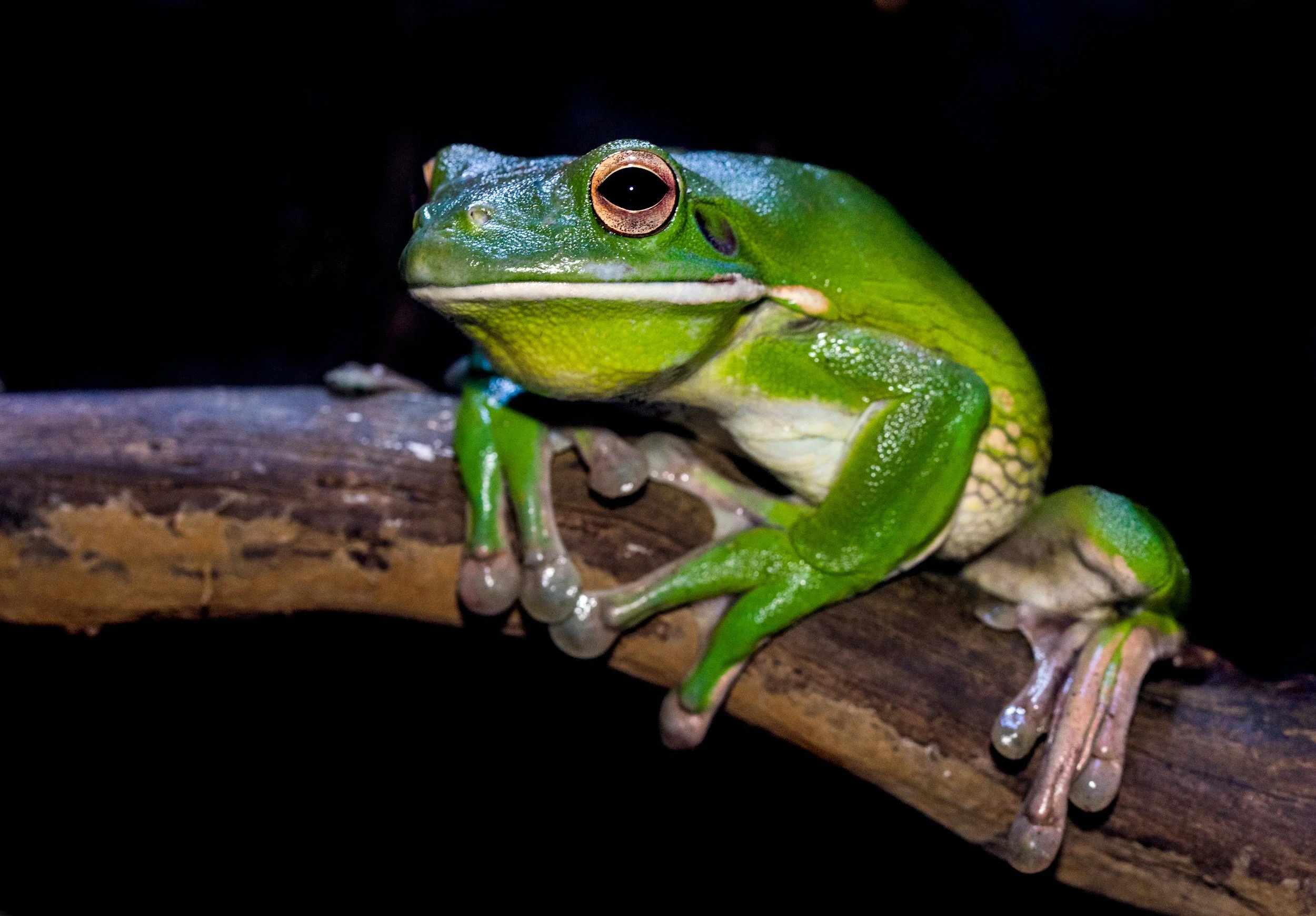
A frog witch in training
In South Africa’s KwaZulu-Natal, Thembeka Zulu is turning a childhood fear of frogs into community science.
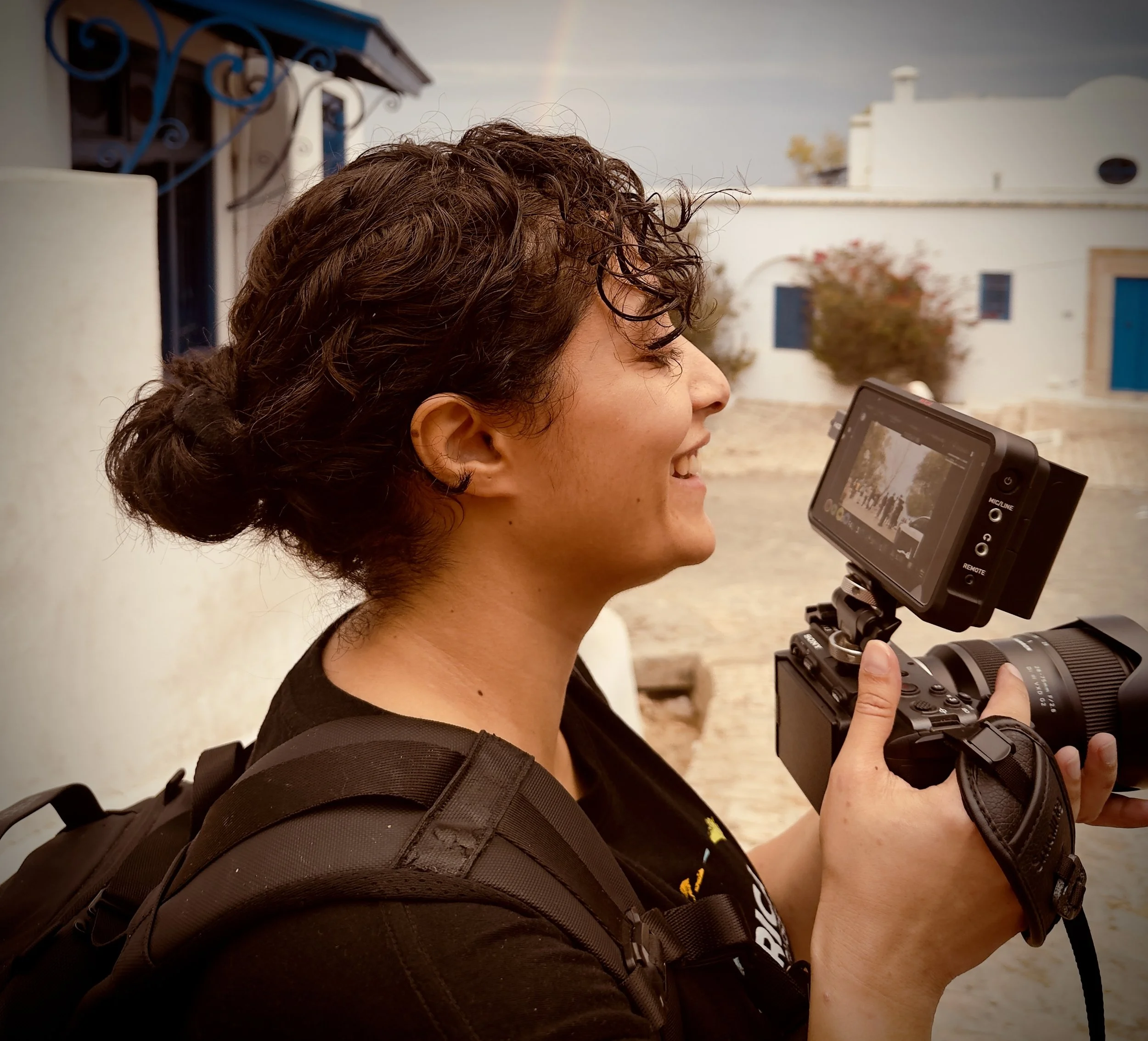
By Shorouk Elkobrosi
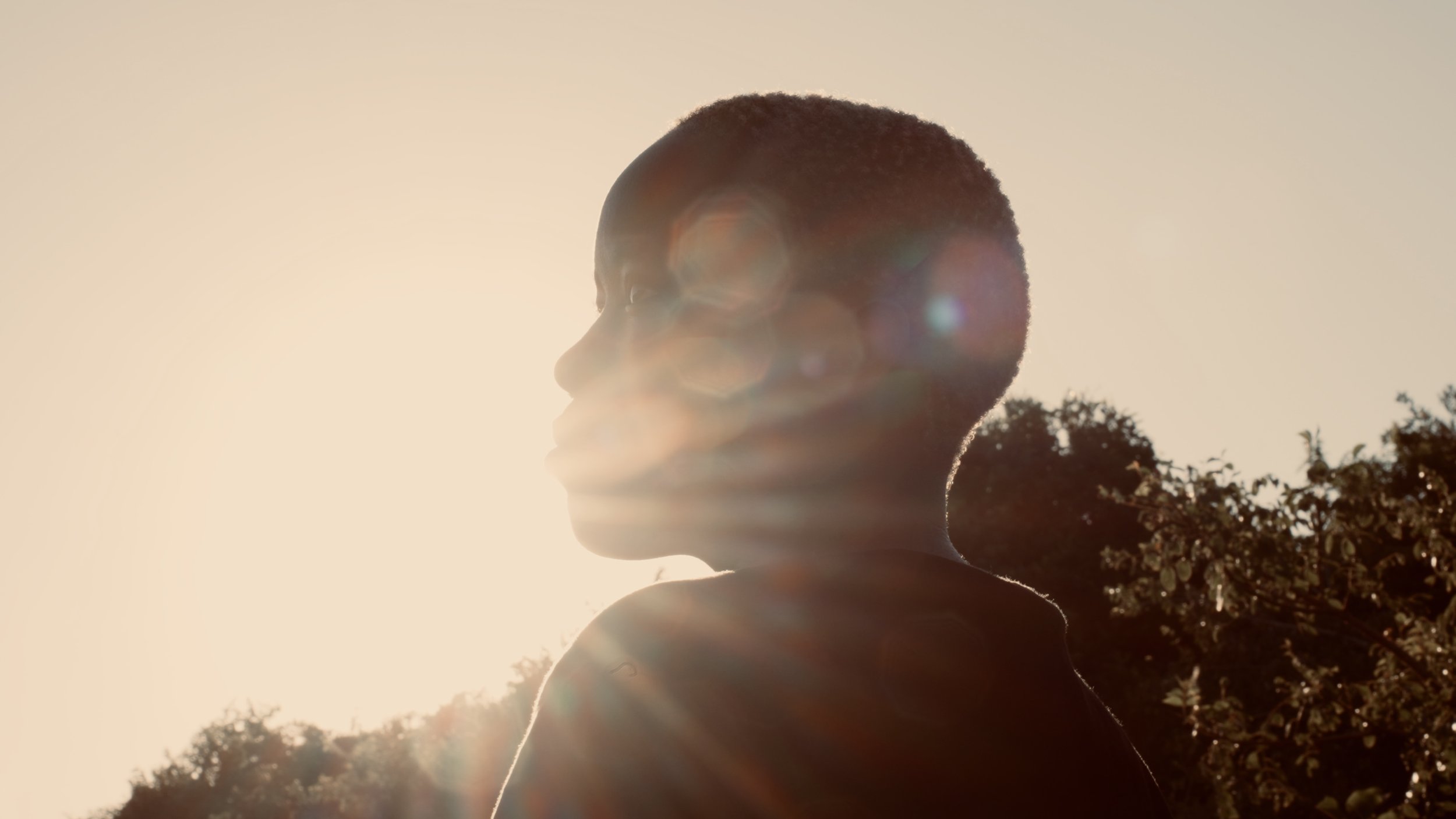
Published on April 25, 2026 • 4 min read
A lot of us inherit the natural world through warnings.

Don't touch that. Don't go there. Come inside. That thing bites.

Thembeka, or Mazulu, grew up in KwaZulu-Natal, in a community where children are taught to fear frogs. Frogs came out when it rained. Rain came with lightning. Lightning, like all powerful things, was a warning.

"Lightning will strike you," her mother would say. "If you see a frog, someone is trying to do something bad to you."
Conclusion: frog bad.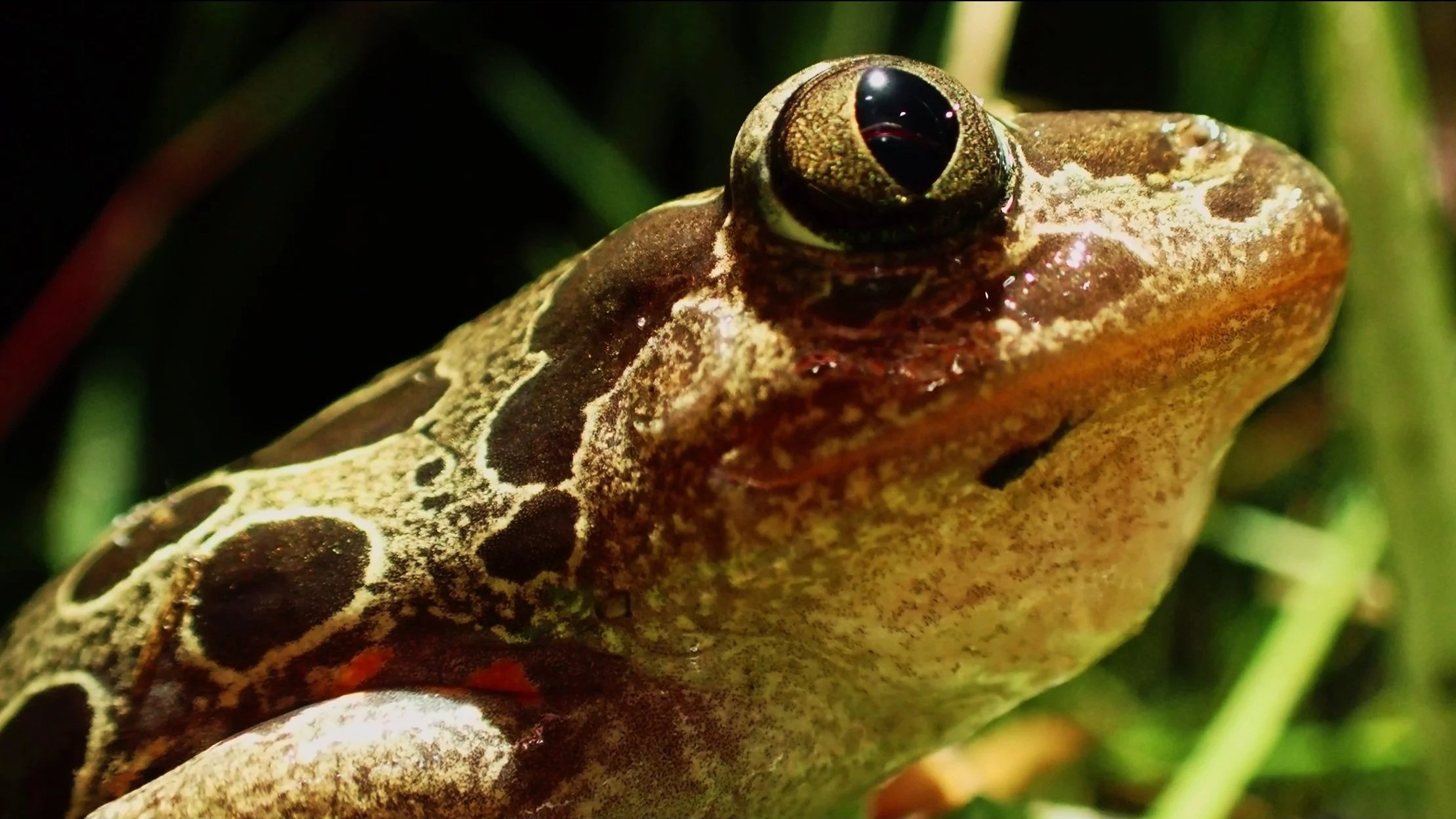
It would be easy to villainize a South African mother for not knowing enough about amphibian taxa, but Thembeka does not speak about her mother that way.

"It was all love," she tells me. "My mom trying to keep me from harm."

In Zululand, when frogs appear near a house, mothers in the community spray salt on them. If you're the kind of person who goes looking for frogs on purpose, people might think you're a witch.

Witchcraft accusations can be dangerous. They can put a person's life at risk.

Thembeka knows this.

But she won’t let it stop her becoming the first person in her family to pursue a master's degree and the first Black woman in all of South Africa to study frogs.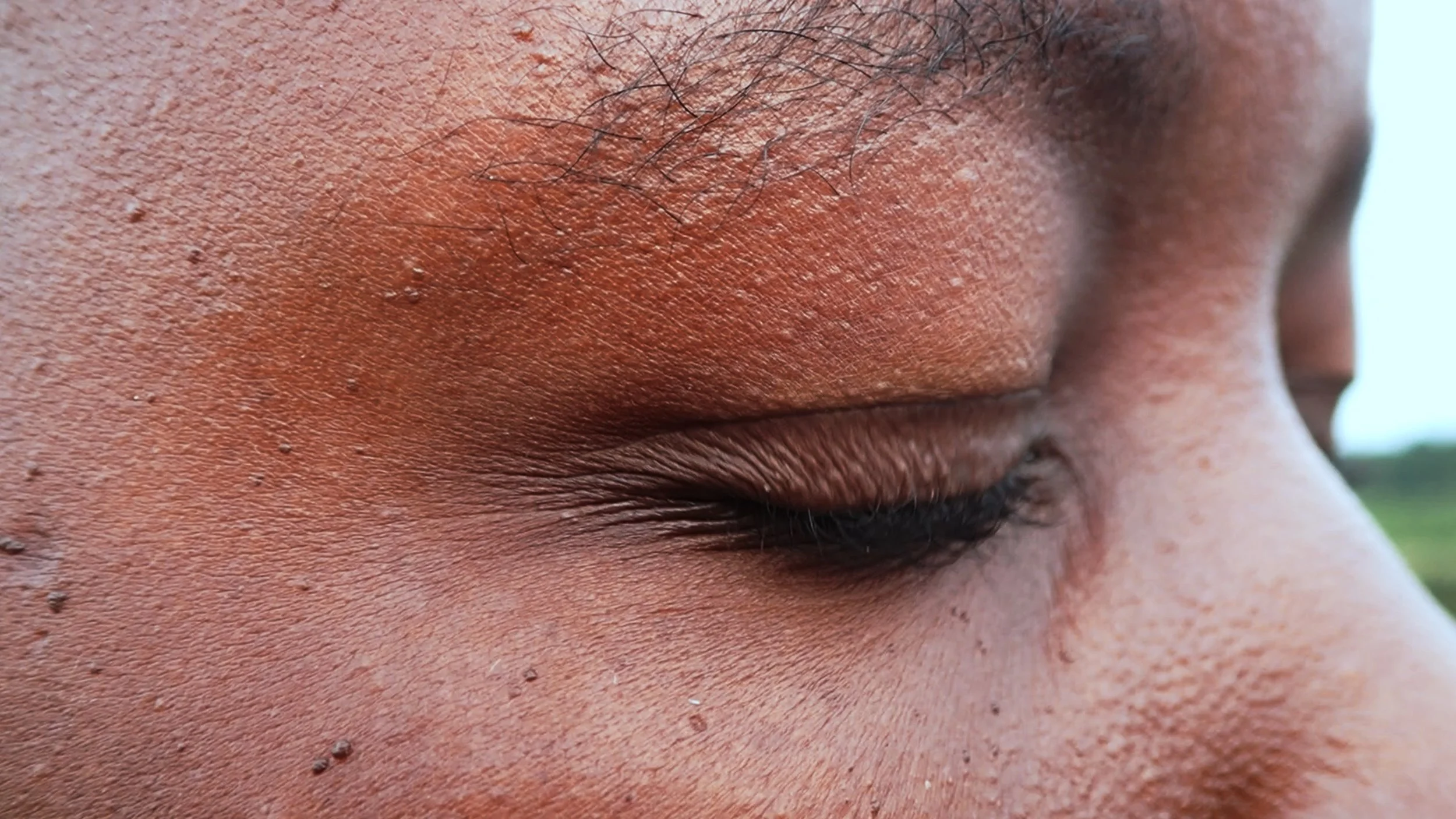
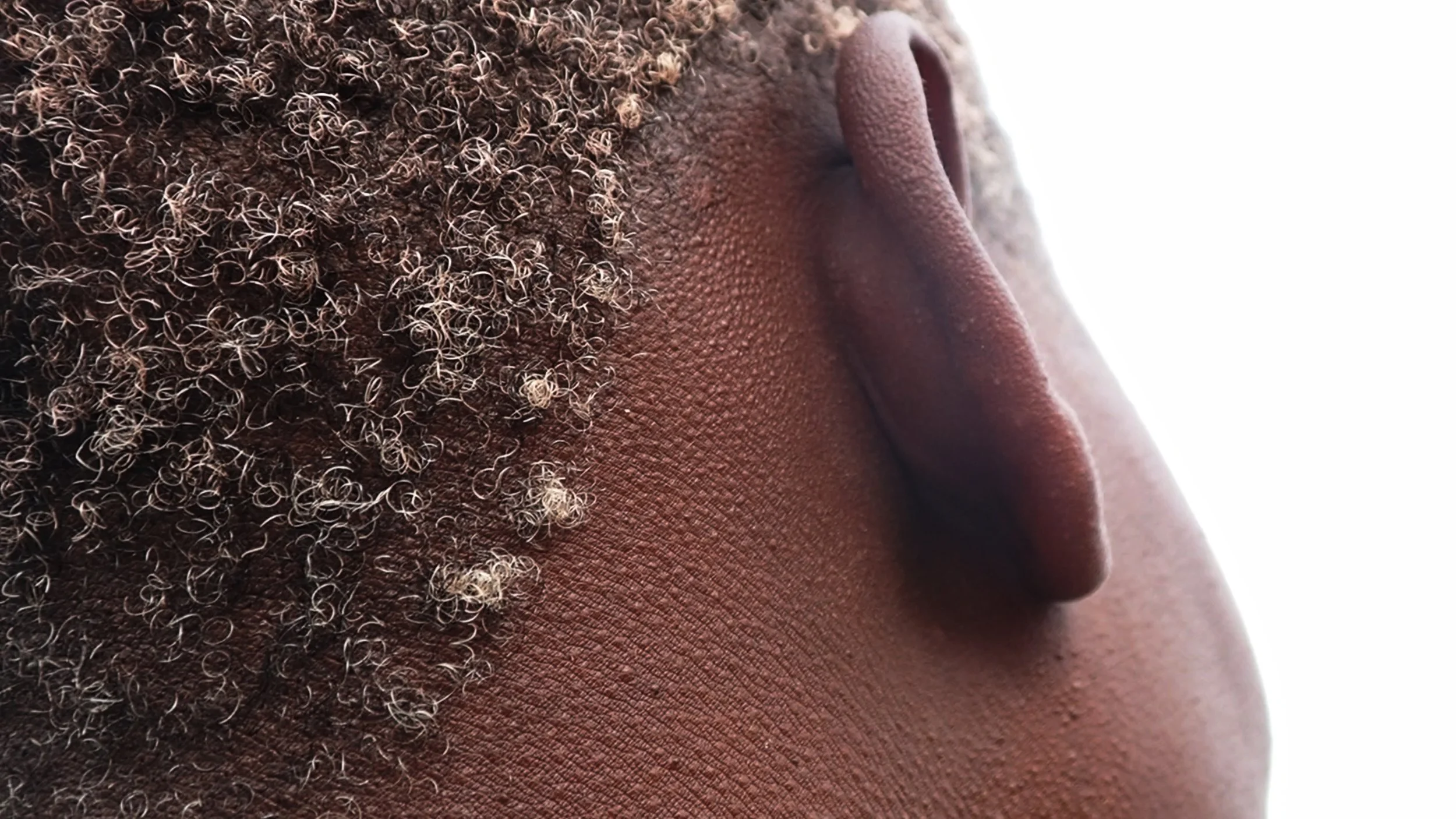
Thembeka, the first.
But there's a particular loneliness to being the first. The first time Thembeka Zulu had to touch a frog, her screams filled the entire neighborhood.This was, technically, a problem.She was training to become a frog scientist, a career choice that sounds whimsical until the frog is actually there.
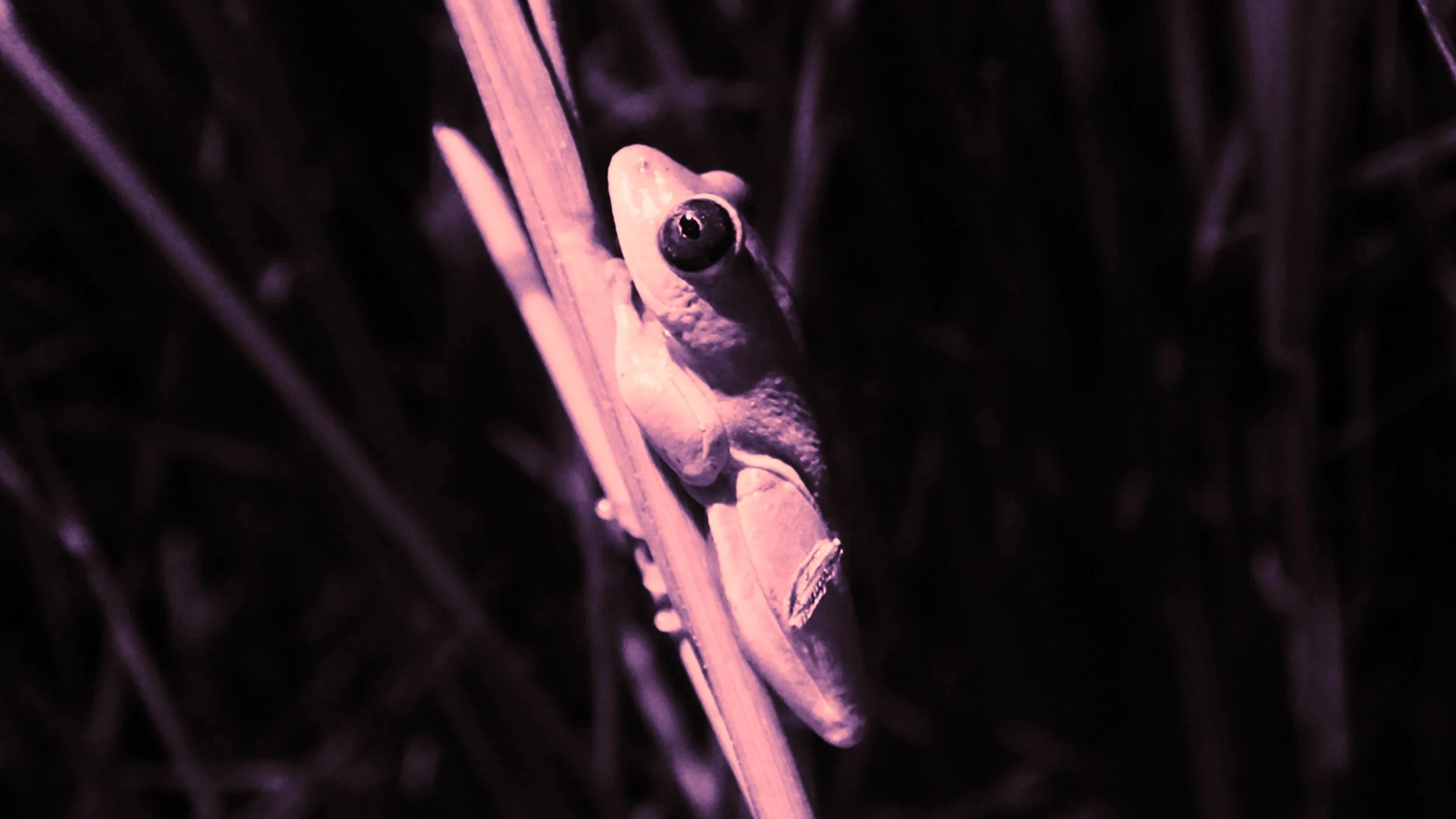
Are frogs really bad?
A frog’s skin is permeable, which means the world passes through it.Water quality, air quality, pollution, temperature, habitat loss: frogs register these changes quickly. They are not separate from the health of a place. They are evidence of it.So when frogs disappear, something is wrong.“If you see a frog, your environment is clean,” Thembeka says.Frogs are indicators of ecological health. They help tell us what is happening to wetlands, forests, grasslands, farms, and homes. They help reveal the condition of the places people depend on.And teaching her community to listen has become Thembeka’s new mission.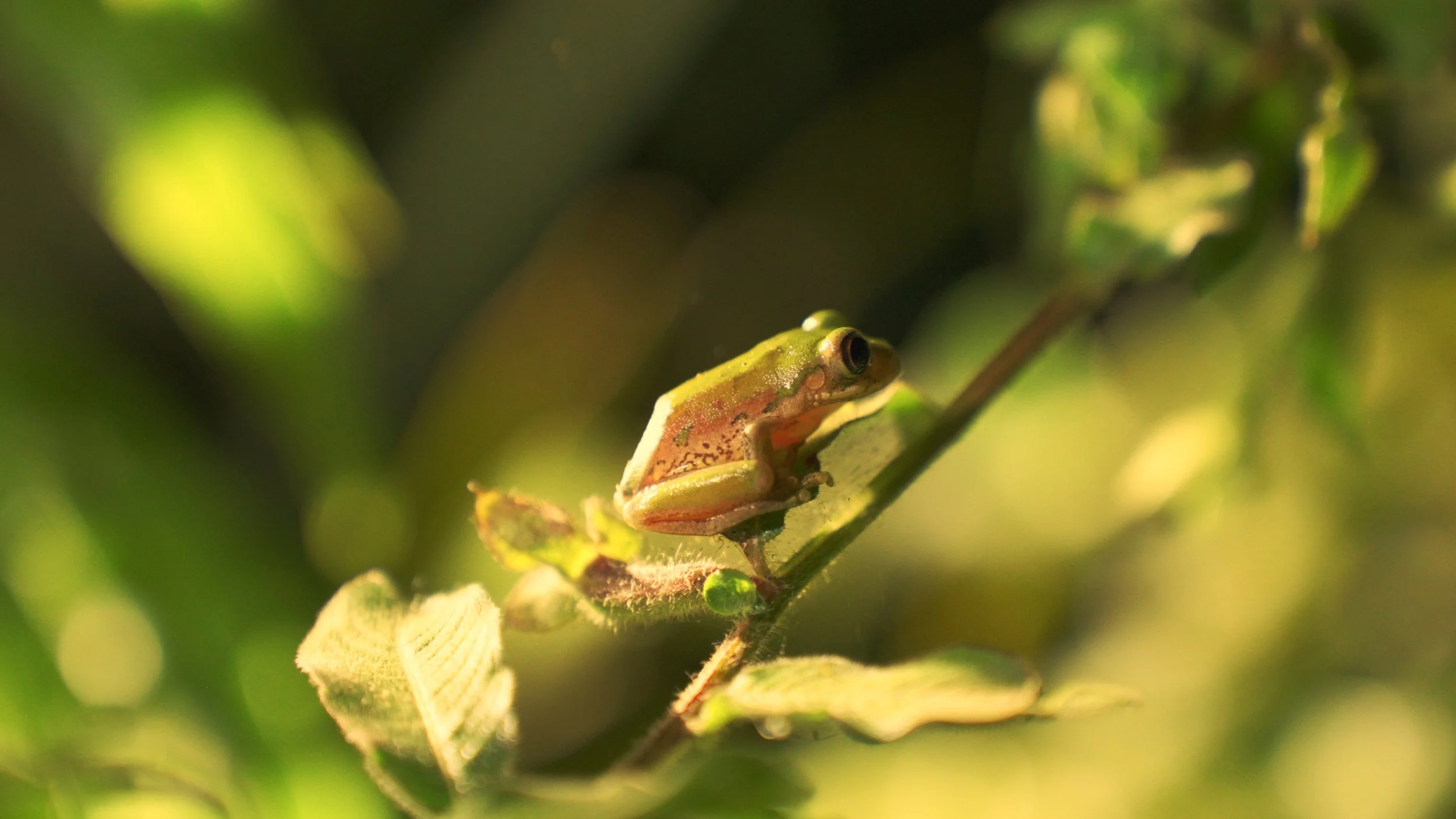
Carrying her own ambition, her community's questions, and a childhood fear she's still untangling, Thembeka now spends her time teaching kids in her community how to care for these tiny beings with powerful legs and bright eyes leaping through their world.And KwaZulu-Natal is the best place to do it.Often considered the frog capital of South Africa, the province hosts almost half of South Africa’s 135 frog species.Mazulu tells me that at night, the frog calls make her land feel crowded with life.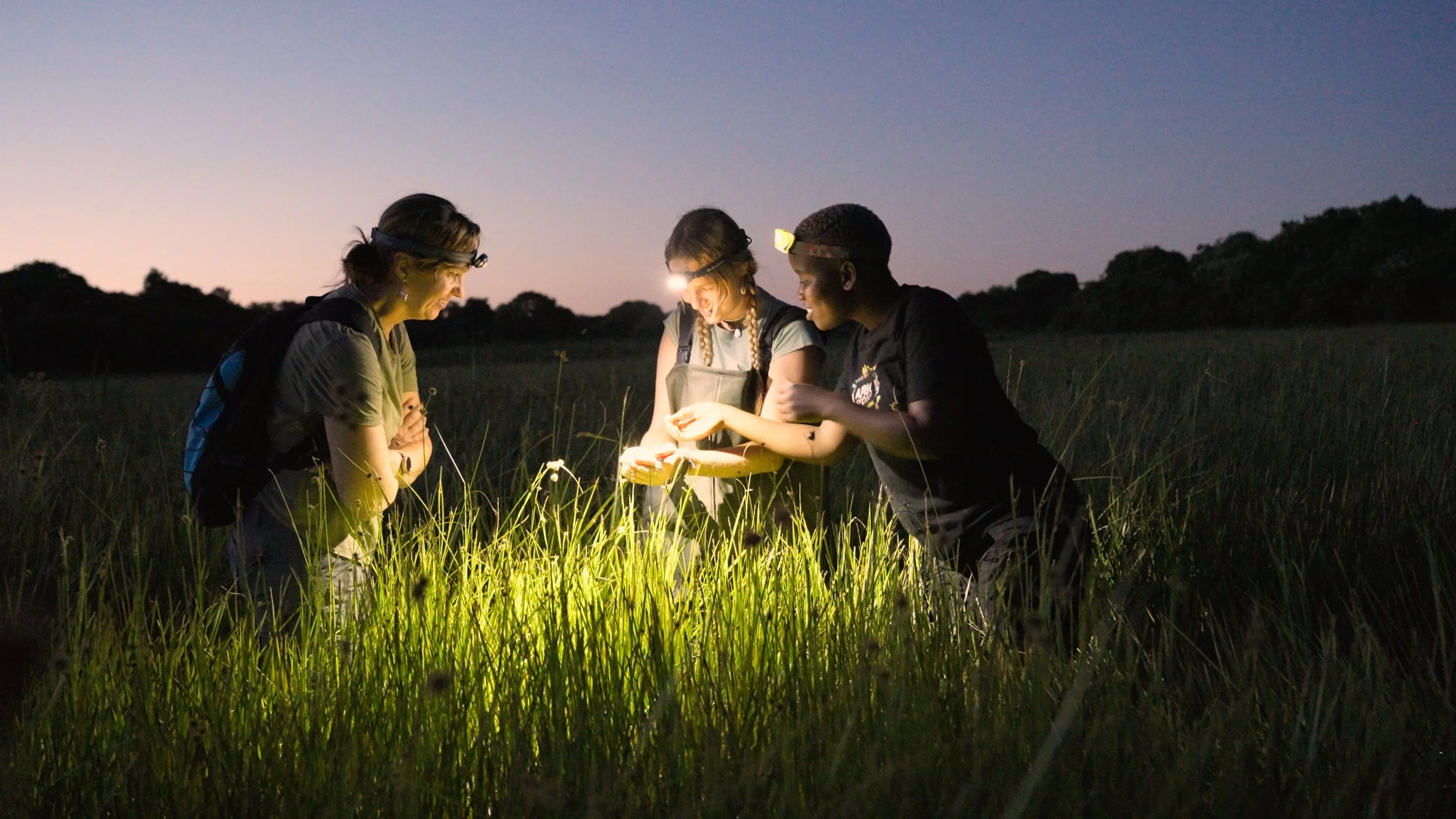
Turning fear of frogs into citizen science
Science often arrives in indigenous communities from somewhere else, and people who live closest to the landscape remain peripheral to the story. With the support of Dr. Jeanne Tarrant, one of South Africa’s leading amphibian conservationists, known to many as the Frog Lady, Anura Africa, and Africa Refocused, Thembeka is helping build a community science project in Zululand.The goal is to invite local people, especially children, to notice frogs, listen to them, document them, and understand which species live around them.Using platforms like iNaturalist to record observations, Thembeka is helping turn everyday encounters into useful ecological data. Before the project began in mid-November 2025, the area had only 71 frog observations recorded on iNaturalist.Now it has more than 300, representing 25 species.But the number that Mazulu cares about is so much smaller.
It's one more child reaching for a name instead of a fistful of salt.